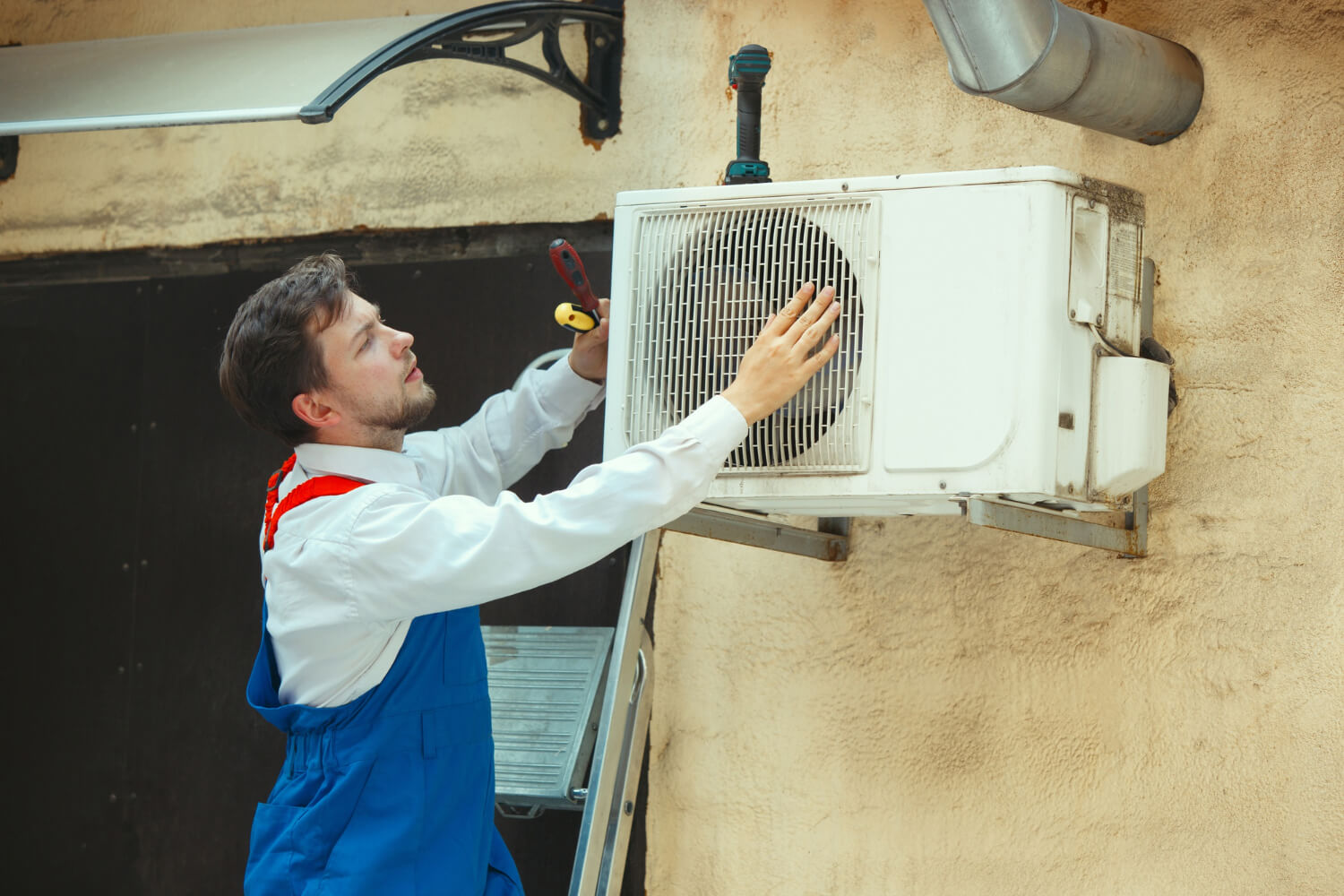
Daikin is a top choice for air conditioning in Brisbane homes and businesses. These units are known for being reliable, energy-efficient, and capable of handling Queensland’s tough climate. Still, after running for thousands of hours each year, even Daikin systems can develop problems.
If your Daikin unit starts having issues, knowing what the error code means, what might be causing it, and what repairs are usually involved in Brisbane can save you time, stress, and money.
We’ve put together this practical guide to help every Daikin owner in Brisbane.
Why Daikin Air Conditioners Are Common in Brisbane
Daikin is a Japanese brand with a strong presence in Australia, especially in Brisbane. You’ll find their systems in new family homes and commercial buildings alike. Their inverter technology and high energy ratings make them a popular choice for homeowners who want efficient heating and cooling year-round.
Daikin has earned its good reputation, but even the best equipment needs regular maintenance and sometimes repairs. If a Daikin hasn’t been serviced for three years and has worked through Brisbane summers, some parts will likely be worn out.
Most Common Daikin Faults in Brisbane
1. Refrigerant Leak
Low refrigerant is one of the most frequently diagnosed issues in Daikin split systems across Brisbane, particularly in units over five years old. Daikin systems operate on a sealed refrigerant circuit, and under normal conditions, refrigerant doesn’t deplete. When refrigerant levels drop, it means there’s a leak somewhere in the system.
Symptoms of low refrigerant:
- Unit running continuously but struggling to reach the set temperature
- Ice forming on the indoor unit or on the copper pipes
- Warm air blowing when the unit is set to cool
- Unusual hissing sound from the unit
- Higher than usual electricity bills for the same level of cooling
Refrigerant handling in Australia requires a licensed ARC Tick technician. This is not a job for anyone without the appropriate certification. The technician will locate the leak, repair it, and recharge the system to the correct specification for your model.
2. Dirty or Blocked Filters and Coils
Brisbane’s dry, dusty season and humid wet season can cause Daikin filters and coils to collect a lot of dirt if they aren’t cleaned regularly. Dirty coils make the system less efficient, put extra strain on the compressor, and can eventually lead to faults.
Symptoms:
- Reduced airflow from the indoor unit
- Unit working harder to cool or heat
- Musty smell when the unit runs
- Cooling or heating performance noticeably declining over time
To fix this, you’ll need a professional service that includes cleaning the coils, cleaning or replacing the filters, and checking the whole system. Ideal Refrigeration & Appliance Services suggests getting your Daikin serviced once a year, and cleaning the filters yourself every four to six weeks during busy periods.
3. PCB (Printed Circuit Board) Failure
Daikin’s control boards are sophisticated electronics. Power surges, age, and exposure to heat and moisture can cause PCB failure in both the indoor and outdoor units.
Symptoms of PCB failure:
- Error codes appearing that don’t resolve with a reset
- The unit not responding to the remote at all
- Erratic operation, turning on and off randomly
- Complete loss of power to the unit
Repairing or replacing a PCB is a technical job, so make sure your technician has experience with Daikin systems. Using genuine Daikin-compatible boards is important for reliability.
4. Compressor Issues
The compressor is the heart of your Daikin system, and compressor faults are the most expensive repairs in any air conditioning system. That said, Daikin compressors are generally robust, and compressor failure in a well-maintained unit under 10 years old is relatively uncommon.
Symptoms:
- Unit powers on but produces no cooling or heating effect
- Loud grinding or clicking noise from the outdoor unit
- Outdoor unit fan spinning but compressor not activating
- Repeated tripping of the circuit breaker
Replacing a compressor is a big job. If your unit is around 10 years old or older, ask your technician if it’s better to replace the compressor or the whole unit.
5. Fan Motor Faults
Both the indoor and outdoor units have fan motors. When these fail, airflow through the system is compromised, causing performance issues and often triggering error codes.
Symptoms:
- No airflow from the indoor unit despite the unit appearing to run
- Loud rattling or grinding from the indoor or outdoor unit
- Outdoor unit fan visibly not spinning when the unit is running
- Unit shutting down after short periods of operation
Replacing a fan motor is a standard repair and is much more affordable than replacing a compressor.
Daikin Error Codes: What They Mean
Daikin units show error codes on the indoor unit’s LED panel or on the remote control screen. These codes help technicians figure out what’s wrong. Here are the most common error codes seen in Brisbane:
E1 or U0 – Refrigerant shortage. The system has detected low pressure, usually indicating a refrigerant leak or blockage in the refrigerant circuit.
E3 or E4 – High discharge temperature or pressure fault. Often relates to a refrigerant issue, restricted airflow, or a dirty outdoor coil.
E5 – Overload protection triggered on the outdoor unit. Can indicate compressor strain, high-ambient-temperature operation, or refrigerant issues.
E6 – Compressor abnormality. This is a serious fault that requires prompt technician attendance.
E7 – Outdoor unit DC fan motor fault. Indicates the outdoor fan motor has stopped or is running outside normal parameters.
E8 or E9 – Indoor unit fan motor abnormality or indoor unit PCB fault.
L3 or L4 – Electrical box or discharge temperature fault. Usually indicates restricted airflow to the outdoor unit or a developing refrigerant problem.
U4 – Communication error between indoor and outdoor units. This can be caused by a wiring issue, a PCB fault, or a power supply problem.
F3 – Discharge pipe temperature fault. Often indicates low refrigerant or a blocked filter causing the system to overheat internally.
How to do a basic reset before calling a technician: Switch the unit off at the wall, wait two to three minutes, then switch back on. If the error code returns immediately on restart, the fault is active and requires professional diagnosis.
What Does a Daikin Repair Cost in Brisbane?
Repair costs can vary a lot depending on the problem, your Daikin model, and whether parts are available. Here’s a general guide for Brisbane service calls:
Standard service / filter and coil clean: Typically a cost-effective annual investment that significantly reduces the likelihood of more expensive faults developing.
Refrigerant leak detection and recharge: Depends on the severity of the leak and the amount of refrigerant required. Gas costs vary by refrigerant type (R32, R410A, etc.).
PCB replacement: Board costs vary widely by model. Some Daikin boards are very competitively priced, others are premium. Labour is consistent.
Fan motor replacement: Generally one of the more affordable parts-based repairs.
Compressor replacement: The most expensive single repair. A new Daikin compressor plus labour is a significant cost, which is why the repair vs replace conversation is important for older units.
Ideal Refrigeration & Appliance Services will always give you a clear, upfront quote before starting any Daikin repair. There are no hidden fees, and you’re never pressured to go ahead if the quote isn’t right for you.
Daikin Models Commonly Serviced in Brisbane
The team at Ideal Refrigeration & Appliance Services services all Daikin split system ranges found in Brisbane homes, including:
- Daikin Cora series
- Daikin Alira X series
- Daikin Lite series
- Daikin FTXM series
- Daikin Multi-Head systems
- Daikin Ducted systems (including the Ducted Inverter range)
Whether you have a small 2.5kW unit in a bedroom or a large ducted system for your whole home, qualified Daikin technicians can handle the diagnosis and repair.
When Should You Service Your Daikin vs When Should You Replace It?
A well-maintained Daikin split system has a typical lifespan of 15 to 20 years. Here’s a practical framework for the repair vs replace decision:
Repair makes sense when:
- The unit is under 10 years old
- The fault is a known, repairable component
- The repair cost is under 50 to 60 percent of the equivalent new unit cost
- The unit has been well-maintained and has no recurring faults
Replacement makes more sense when:
- The unit is over 12 to 15 years old and facing a major repair
- The compressor has failed in an old unit
- Parts for the specific model are discontinued or very expensive
- The unit has had multiple major repairs in a short period
- Newer models offer significantly better energy efficiency, which would reduce running costs substantially
Your technician should give you honest advice without any pressure. At Ideal Refrigeration & Appliance Services, we always recommend what’s best for you, not what brings in the most money. invoice.
How to Extend the Life of Your Brisbane Daikin Unit
These habits will significantly reduce both repair frequency and running costs:
- Clean the indoor unit filters every four to six weeks during summer
- Book a professional annual service that includes coil cleaning and a full system check
- Keep the outdoor unit clear of vegetation, debris, and stored items
- Don’t run the unit in extreme heat with windows and doors wide open
- Ensure the outdoor unit has adequate airflow around it, particularly on north or west-facing walls in Brisbane’s afternoon sun
- Act on any error codes or unusual behaviour promptly rather than ignoring and hoping
Brisbane’s Trusted Daikin Air Conditioning Repair Team
A Daikin fault doesn’t have to leave you without cooling in Brisbane’s heat. Ideal Refrigeration & Appliance Services offers fast, experienced Daikin repairs across Brisbane, including after-hours service when you need it most.
Our licensed technicians use genuine parts, provide upfront quotes, and offer same-day service whenever possible. Call 0428 149 923 or visit idealrefrigappliance.com.au to book your Daikin repair or service today.
Frequently Asked Questions
How do I find my Daikin model number for a repair or service booking?
You’ll find the model number on a label on the side or front of your indoor unit, usually visible when you open the filter panel. Having this number ready when you call for service helps the technician bring the right parts.
Can I reset a Daikin error code myself?
Try resetting your unit by turning it off at the wall for two to three minutes. If the error goes away and doesn’t come back, it was likely a temporary issue. If the error code returns, you’ll need a professional to take a look.
How long does a Daikin repair in Brisbane typically take?
Most common repairs, like recharging refrigerant, replacing fan motors, and cleaning filters and coils, can be done in one visit. PCB replacements and compressor repairs might take longer if parts need to be ordered.
Is Daikin covered under any warranty in Australia?
Daikin Australia provides a standard warranty on new units, but the terms depend on the model and when you bought it. Warranty repairs usually need to be done by an authorised Daikin service agent. If your unit is still under warranty, check the details before booking a repair so you don’t accidentally void your coverage.
My Daikin is making a clicking or rattling noise but still working. Should I get it checked?
Yes, you should get it checked. Strange noises from a working unit are often early signs of a problem. It could be worn fan motor bearings, debris in the outdoor unit, or loose parts. Fixing these issues early is much cheaper than waiting for a major breakdown.
Does Ideal Refrigeration service Daikin ducted systems in Brisbane?
Yes. Ducted Daikin systems are serviced and repaired across Brisbane, including fault diagnosis, filter servicing, zone controller issues, and refrigerant work.