
Ever found yourself scratching your head, wondering why your trusty dishwasher isn’t doing its job? You are not alone. Dishwashers are an absolute lifesaver, but like any hardworking appliance, they can occasionally encounter issues. Before you panic and reach for the phone to call a technician, let’s discuss some common dishwasher problems and how to fix them yourself. You’d be surprised at what a bit of DIY detective work can achieve.
At Ideal Refrigeration & Appliance Services, we believe a bit of know-how can save you a fair bit of dosh and hassle. Let’s look into the dishwasher woes and their clever fixes.
Dishwasher Not Starting? It’s Simpler Than You Think
It’s a common issue when you load a dishwasher, press start, and nothing happens. Before you start imagining a costly repair bill, let’s start with the basics.
- Is it Plugged In? Sometimes the plug can come loose, or a mischievous toddler might have had a play. Check the power point too, and try plugging in another small appliance to see if it has power.
- The Door Latch: Modern dishwashers are smart cookies. If the door is not properly latched and sealed, it won’t start. Give it a goo,d firm push until you hear a satisfying click. Sometimes food debris can prevent it from closing properly, so give the latch area a quick wipe.
- Power Tripped? Head to your fuse box or circuit breaker. Has the switch for your kitchen or dishwasher tripped? Flip it back on. If it trips again, that’s a sign of a bigger electrical issue, and it’s time to call in the pros.
- Delayed Start Setting? Many dishwashers have a delayed start option. Check the control panel to ensure you haven’t accidentally set it for a few hours later.
Dishes Not Getting Clean? Don’t Blame the Dishwasher
This is the most frustrating problem. You unload what you thought would be sparkling clean dishes, only to find stuck-on food and cloudy glassware. What gives?
- Overloading is a No-No: An overloaded dishwasher prevents water and detergent from reaching all surfaces. Give breathing room to your dishes.
- Blockages in Spray Arms: The spray arms tend to spin and pour water to clean the dishes. Your dishes will not get properly washed if the tiny holes in spray get clogged with food particles or mineral deposits.
- The Fix: Gently remove the spray arms. Use a toothpick or a small brush to clear blockages. Run some hot water through them to flush them out.
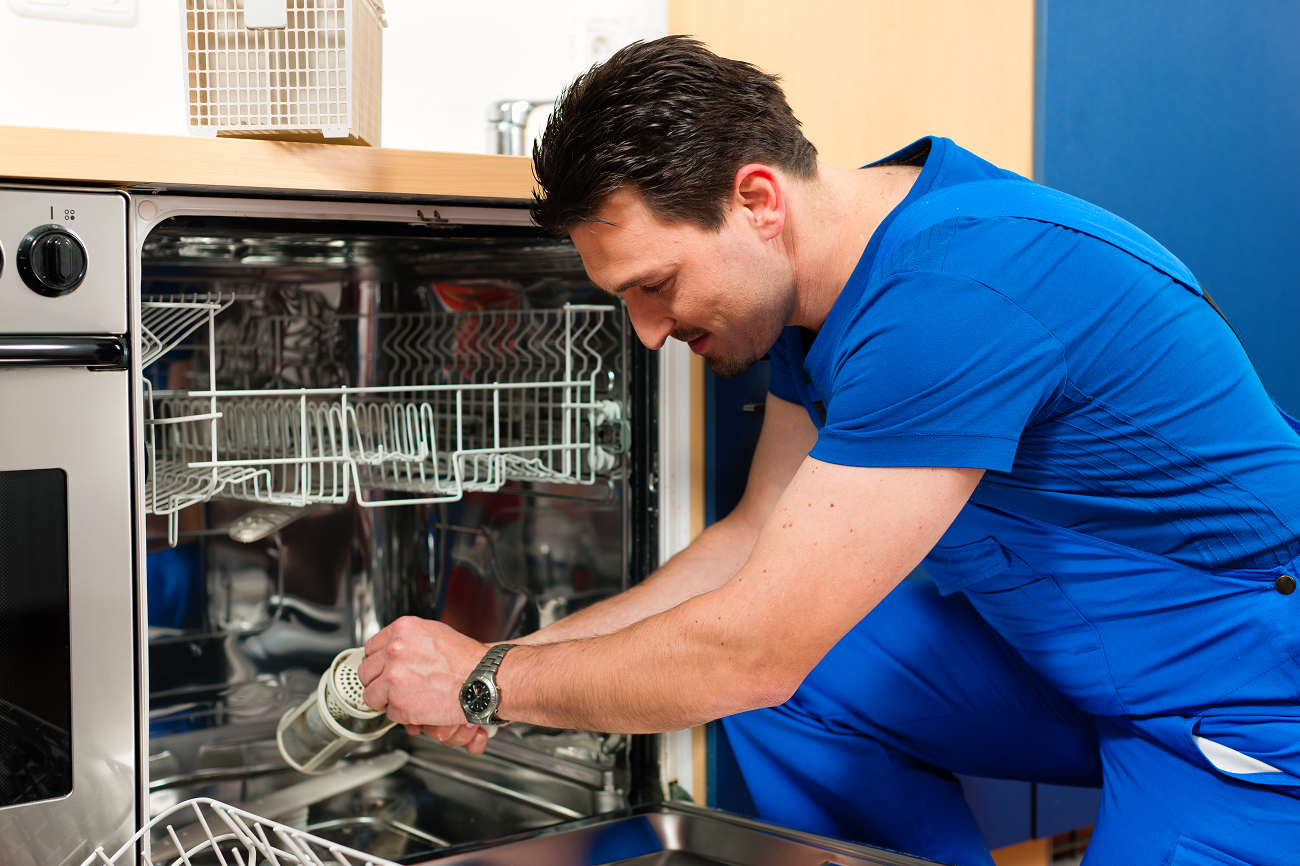
- Dirty Filter: Your dishwasher has a filter at the bottom, designed to catch food scraps. If this gets clogged, the water can’t drain properly, and you end up with dirty water recirculating.
- The Fix: Remove the filter and check your manual for exact instructions, but it’s a twist-and-pull job. Rinse it under the tap with warm, soapy water. A soft brush can help dislodge stubborn bits. Clean this regularly.
- The Fix: Remove the filter and check your manual for exact instructions, but it’s a twist-and-pull job. Rinse it under the tap with warm, soapy water. A soft brush can help dislodge stubborn bits. Clean this regularly.
- Using the Right Detergent and Rinse Aid: Are you using a quality dishwasher detergent? And what about rinse aid? Rinse aid is a game-changer for streak-free, sparkling dishes in areas with hard water. If you’re using all-in-one tablets, they contain rinse aid, but adding extra can help.
- Water Temperature: Your dishwasher needs hot water to properly dissolve detergent and clean dishes. Ensure your hot water system is working correctly and the water reaching the dishwasher is hot enough (around 50-60°C). Running a hot tap in the kitchen for a minute before starting the dishwasher can help ensure hot water enters the cycle immediately.
- Pre-Rinsing or Not: Most modern dishwashers are designed to handle food scraps. Excessive pre-rinsing can trick your dishwasher to think the dishes are cleaner than they are, leading it to use a less intensive cycle. Scrape off large food chunks, but don’t feel the need to wash them before they go in the machine.
Water Not Draining? Let’s Get to the Bottom of It
Finding a pool of murky water at the bottom of your dishwasher after a cycle is a real bummer. This points to a drainage issue.
- Clogged Filter Again: Yes, a clogged filter is a prime suspect here, too.
- Drain Hose Kinked or Blocked: The drain hose connects your dishwasher to your sink’s plumbing. Water can’t escape if it’s kinked or squashed behind the machine. Also, sometimes food debris can get stuck inside the hose.
- The Fix: Gently pull the dishwasher out a bit and check the hose for kinks. If you suspect a blockage, you might need to ensure the power is off first and try to clear it. If it’s connected to your sink’s garbage disposal unit, ensure the knockout plug was removed during installation.
- Blocked Air Gap (if applicable): Some dishwashers have an air gap on the countertop near the tap. If you have one, ensure it’s not blocked.
- Sink Drain Blockage: Is your kitchen sink draining slowly? If the sink drain is blocked, it can back up into the dishwasher. Try clearing your sink drain first.
Noisy Dishwasher? What’s That Racket?
A bit of humming and whirring is normal, but if your dishwasher sounds like a troop of possums fighting in a tin shed, something’s amiss.
- Loose Items: A rogue teaspoon, a fallen bottle lid, or a small piece of plastic can easily fall into the bottom of the dishwasher and get caught in the spray arms or pump impeller, making a horrible racket.
- The Fix: Check the bottom of the dishwasher, around the filter and drain area, for any foreign objects.
- Spray Arm Obstruction: Similar to not cleaning well, a spray arm hitting a dish can cause a clatter. Ensure dishes are loaded correctly and do not obstruct the arms’ rotation.
- Pump or Motor Issues: If the noise is a persistent grinding, buzzing, or high-pitched squeal, it could indicate an issue with the wash pump or drain pump motor. This is when it’s time to call in the professionals.
Leaking Dishwasher? A Real Mess
A puddle on your kitchen floor is never a welcome sight. Leaks can be tricky, but they have straightforward causes.
- Door Gasket (Seal): The rubber seal around the dishwasher door can become cracked, warped, or dirty over time, allowing water to escape.
- The Fix: Inspect the gasket for damage. Clean it thoroughly with a damp cloth and some mild detergent to remove any built-up grime that might be preventing a good seal. If it’s damaged, it will need replacing.
- Over-Sudsing: Using too much detergent or the wrong type, like dishwashing liquid, which produces tons of suds, can cause excessive suds, leading to leaks.
- The Fix: Always use a detergent designed for dishwashers. Use the recommended amount; more isn’t always better.
- Loose Hoses or Connections: The fill hose or drain hose connections at the back of the dishwasher can sometimes become loose, leading to drips.
- The Fix: Carefully pull out the dishwasher and check the connections. Tighten any that seem loose. Always turn off the water supply and power before doing this.
- Cracked Tub or Pump Issues: If the leak persists after checking the above, it could be a more serious issue like a cracked wash tub or a problem with the pump seal, which requires professional attention.
When to Call in the Experts
While many dishwasher problems can be sorted with a bit of elbow grease and common sense, some issues are best left to the professionals. If you’ve tried these smart fixes and your dishwasher is still playing up, or if you’re dealing with:
- Electrical problems (tripping breakers repeatedly)
- Persistent leaks from unknown sources
- Loud grinding or buzzing noises from the motor
- Error codes flashing on your display that you can’t resolve
- A complete lack of power despite checking all the basics
Then it’s time to give Ideal Refrigeration & Appliance Services a buzz. We’re your local, reliable, and friendly crew, specialising in appliance repairs right across Australia. We know our way around a dodgy dishwasher and can get yours humming along efficiently in no time, saving you the headache and the cost of a new appliance.
Don’t let a faulty dishwasher disrupt your busy life. For smart, swift, and trustworthy repairs, get in touch with the experts.
Ready to get your dishwasher back to its best? Visit us or call us today.
Frequently Asked Questions (FAQs)
Q: My dishes have white streaks/film. What is it?
A: This is due to hard water deposits (limescale) or etching (permanent damage to glassware from soft water and high heat/detergent). Try using a good rinse aid and a dishwasher cleaner designed to tackle hard water. If the problem persists, you might need to adjust your water softener settings or consider the amount of detergent you’re using.
Q: How often should I clean my dishwasher filter?
A: You should give your filter a quick rinse every week or two, depending on how often you use your dishwasher and how much food scrap ends up in it. A monthly thorough clean is a good habit.
Q: Can I put dishwashing liquid in my dishwasher?
A: Absolutely not, dishwashing liquid creates excessive suds that can flood your kitchen and damage your machine. Always use a detergent formulated for dishwashers.
Q: Why do my plastic items sometimes come out wet?
A: Plastic doesn’t retain heat like glass or ceramic, so it doesn’t dry as efficiently in the dishwasher’s drying cycle. It’s perfectly normal for plastic items to still be a bit damp.